
Marcus Antonius Jansen’s work moves through histories, personal experience, and the visual language of resistance. Drawing from a life shaped between the Bronx and Germany, as well as encounters with different cultural and political systems, his paintings examine questions of identity, inequality, and power.
In this conversation, he reflects on the origins of his ideas, the impact of his upbringing across continents, the influence of graffiti culture, and how his work continues to respond to urgent contemporary realities
Your work often looks at history and real-life events. What inspires the stories or ideas behind your paintings?
I’m usually inspired by contemporary events and human concerns that I feel are important to explore, question, and examine. Above all, I aim to do this critically through painterly means, placing these ideas within both historical and contemporary contexts. This allows viewers to reexamine not only the subject matter and history, but also themselves.
How has growing up between the Bronx and later living in Germany shaped the way you see and paint the world?
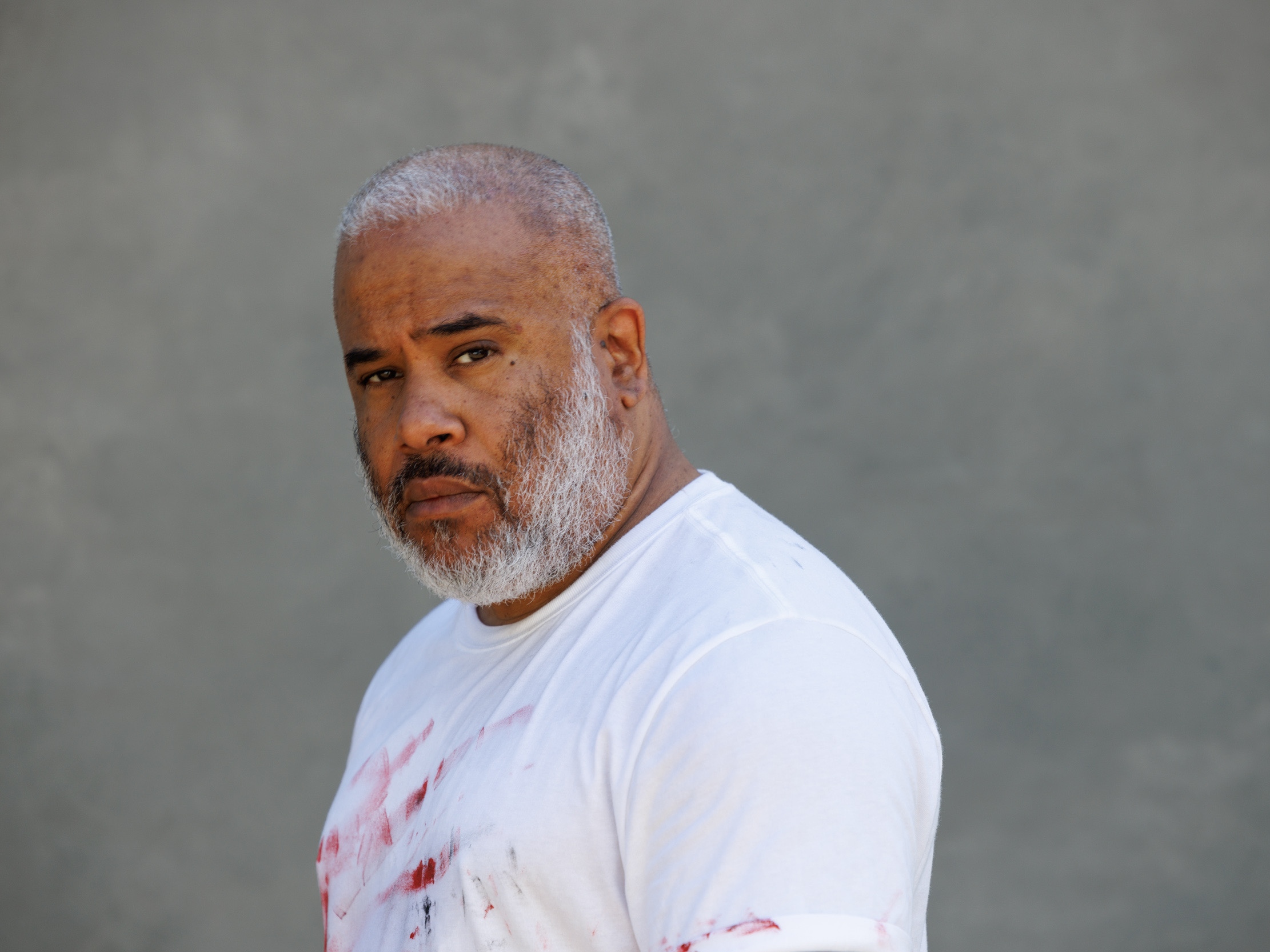
My roots are in the Bronx, New York. My family migrated there from Jamaica in the 1950s, and I have always felt deeply connected to it as my first home. I began school in Queens and later completed my education in Germany, where I gained an understanding of European culture from the inside, rather than simply as an outsider. These experiences, coupled with my tour in the First Gulf War as a soldier within the imperialist machine, likely became the starting point for my ongoing exploration of colonialism, belonging, and psychological identity. My approach had to be critical if I was going to paint.
I experienced severe racism as the only child of color in my transplanted school in Germany, where it was made clear from the beginning that I did not belong. Coming from a predominantly immigrant community made up of African American, Jewish, and mostly Caribbean families in the 1970s, this was a major cultural shock for me. That experience later became a foundation for my exploration of power structures, whether in education, economic disparity, or racial hierarchy. I wanted to understand more deeply the root issues that had expanded globally.
Another key influence was my father, who later in life became a historian. Partly because of the experiences he witnessed me go through, he deeply questioned many of these same themes, particularly in relation to United States history and its early colonial dimensions. While he explored these ideas through writing, I continued them through visual expression after he passed away in 2016.
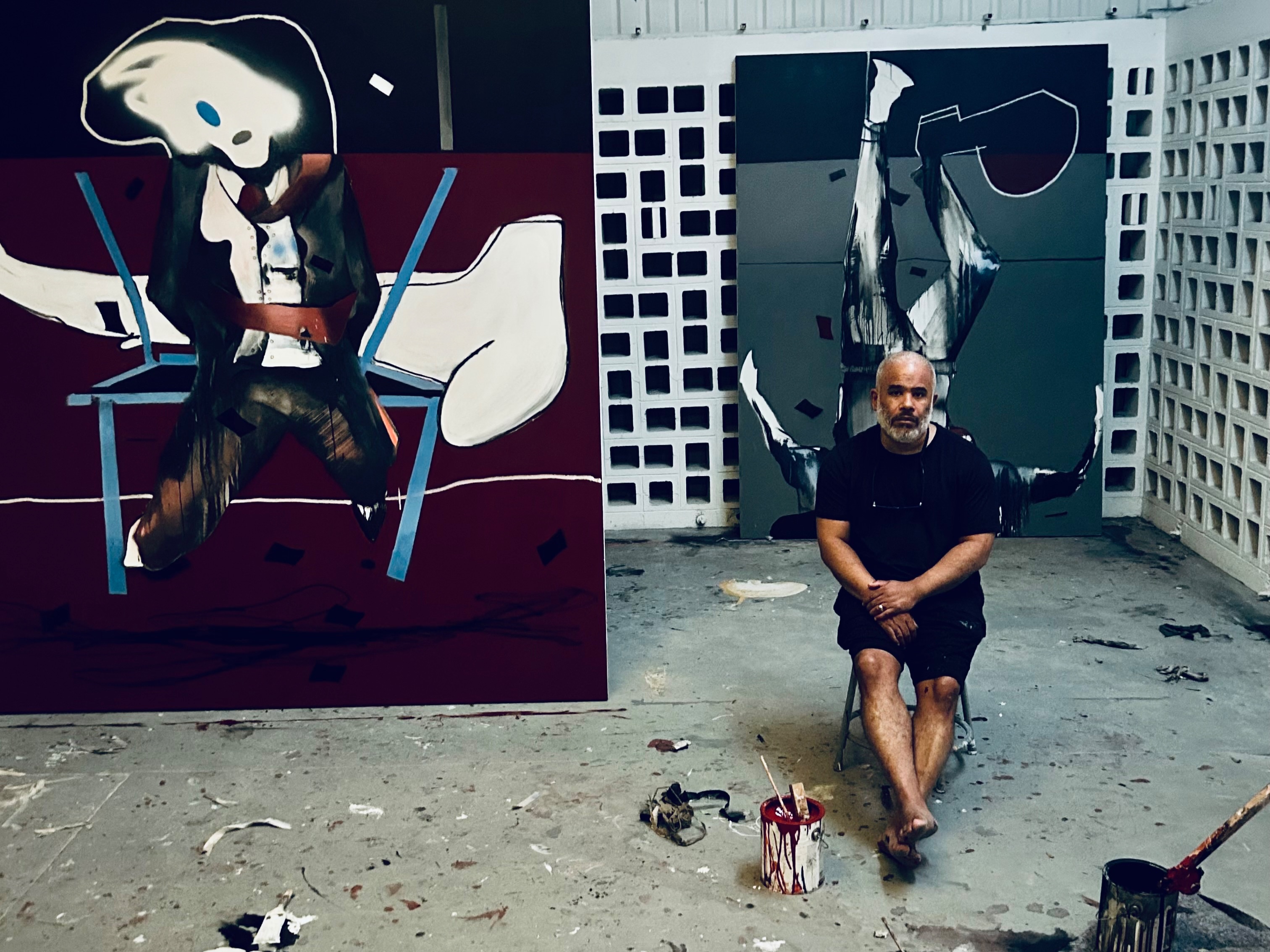
Growing up and witnessing New York City’s graffiti culture emerging in poverty-stricken areas of the Bronx during the 1970s and 80s, while also experiencing the contrast of a clean social democracy in Europe, became a call to action for me if I was going to paint at all. The fusion of a European cultural perspective and New York street culture naturally formed a hybrid identity within my painting practice. My work remains rooted in human concerns, exploring class differences, constructed racial hierarchies, and broader colonial systems of power that belong to an older structure now in free fall and increasingly disconnected from a multicultural and multipolar world. This may be why my practice continues to span multiple styles and materials.
Graffiti is part of your early background. Do you still see its influence in your work today? How?
Graffiti remains a valuable cultural influence rooted in rebellion and freedom, not just visually, but ideologically as well. What drew me most were the core values connected to that culture: activism, peace, love, enjoyment, and the pursuit of self-knowledge. I grew up listening to several genres in the 1980s, including pop music, Hip-Hop, New Wave, and my mother’s Bob Marley LPs. I remember Bob Marley being the most tangible connection to my family’s culture. By the late 1980s, graffiti culture had connected me to a broader investigation into social justice movements active at the time, such as the Black Panther movement, Pan-Africanism, Rastafarian self-empowerment, and civil rights struggles. These movements became deeply influential in my psychological development and self-education. I admired the revolutionary spirit of that era and the artists who used graffiti as a social tool for expression. Anything absent from my formal, colonial education became something I felt compelled to explore further.
_(1)-Pq9aMPot90Z4.jpg)
Your paintings touch on serious topics like power, society, and inequality. How do you address these issues without making the work feel too direct or obvious?
Art is perhaps the most anti-colonial language because it can cut through cultural, economic, and racial power structures and hierarchies. My approach comes from blending different cultural influences and experiences. I deconstruct traditional Western classical imagery that historically projected power and reinterpret it through abstraction, graffiti-like elements, and ambiguity. In doing so, I try to avoid fixed categorization while reinventing these visual forms in ways that provoke critical dialogue.
This approach invites viewers in rather than telling them what to think. It encourages investigation and reflection through visual languages drawn from different social classes and art histories. There is also a psychological element to the work: the viewer is drawn in, held there, and encouraged to question and interpret what they are seeing. Because my work is hybrid in nature, it is important to me that it can resonate with a broad audience, especially those willing to reflect critically.
Can you walk us through how a typical painting comes together for you, from the first idea to the final piece?
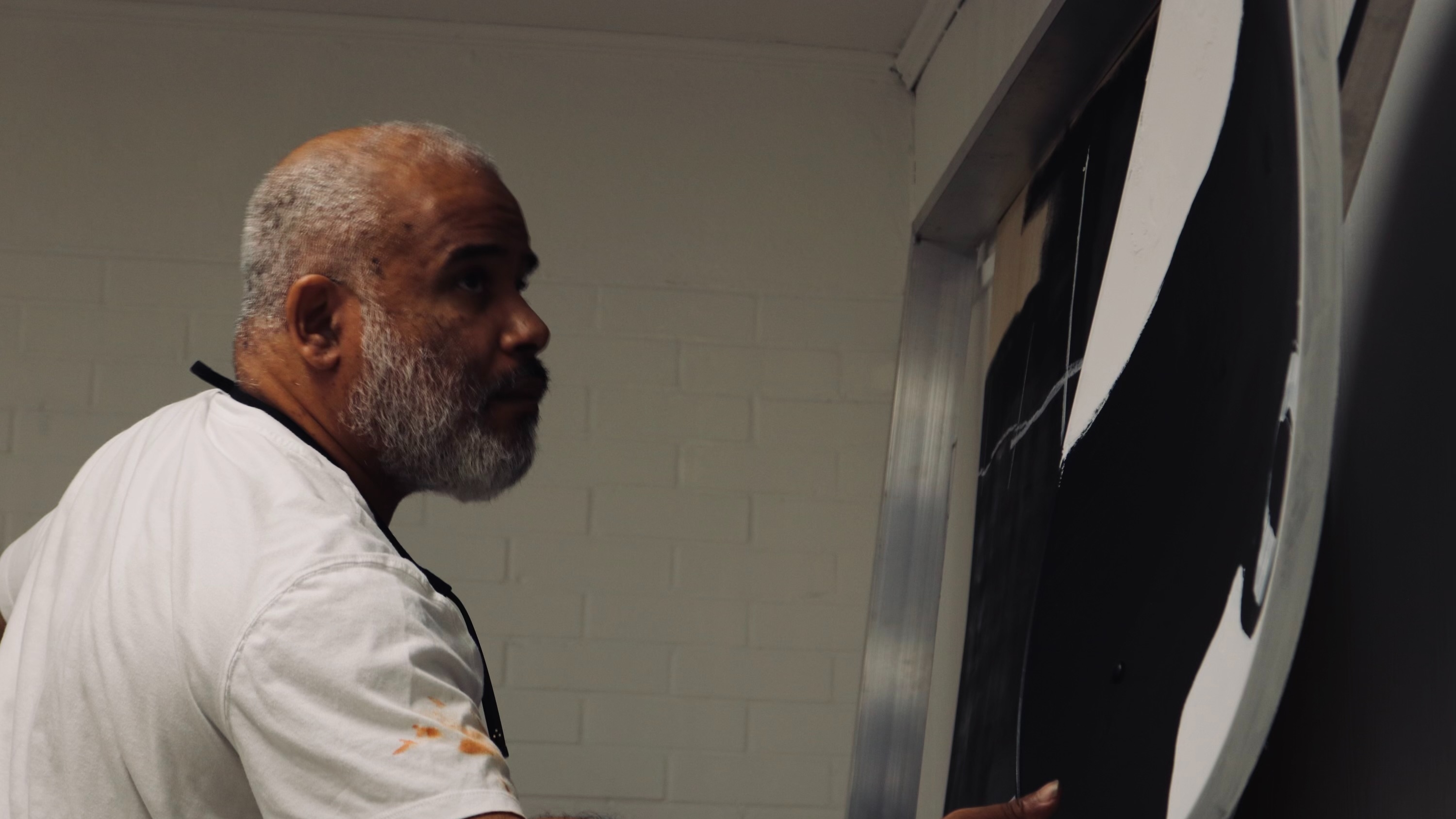
It usually begins with a spark – an idea or reaction to something I’ve seen or heard, often something unjust or in need of examination. From there, I either recall or source imagery that helps convey what I’m feeling.
The emotional aspect is essential. I then gather materials and begin responding more instinctively. Depending on the subject, I choose the surface and color palette, although many of my color choices are intuitive and exploratory. I allow room for surprise and discovery throughout the process, even if much of what I do feels spontaneous or random.
What are you currently working on or thinking about in your art practice right now?
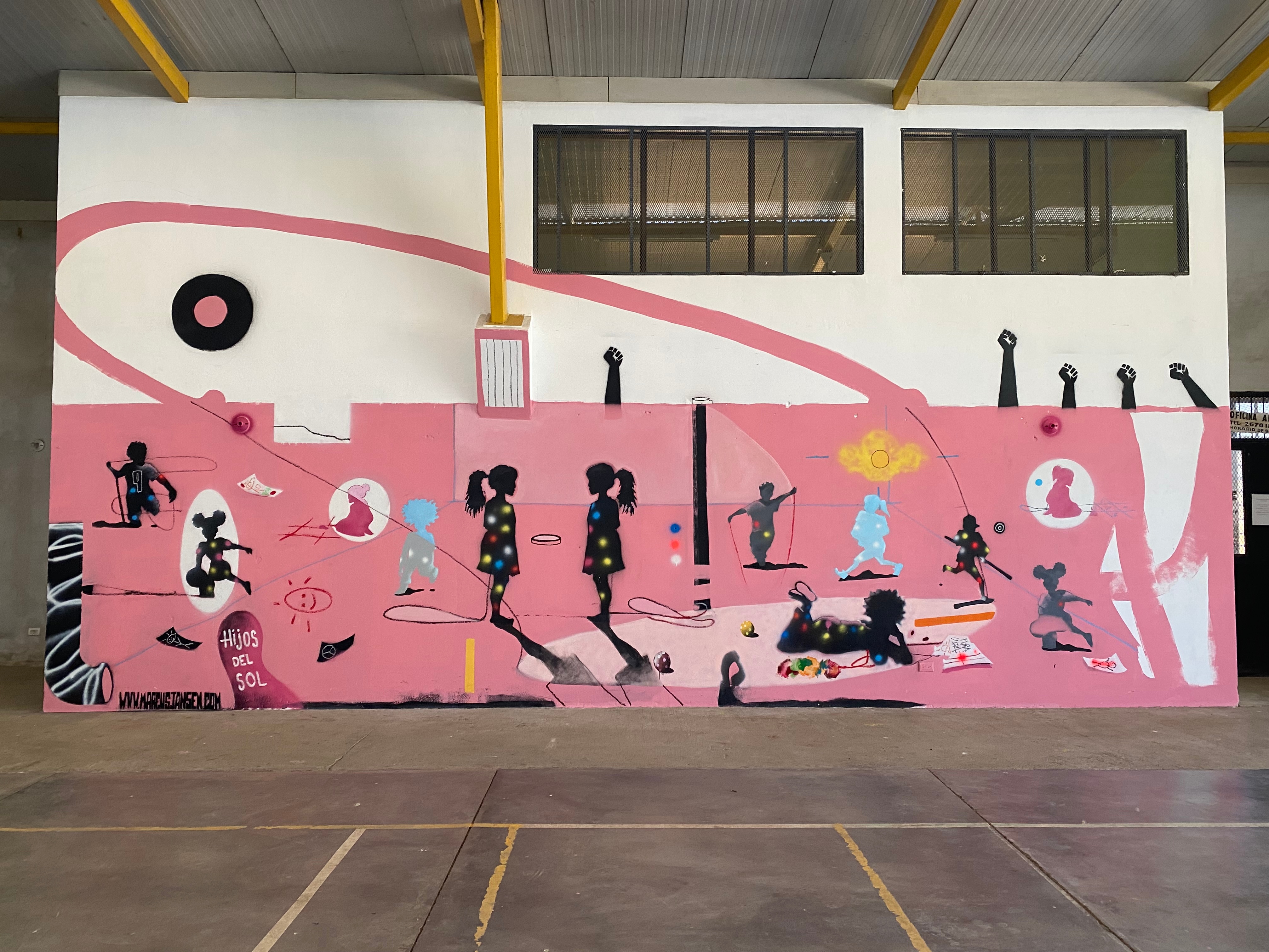
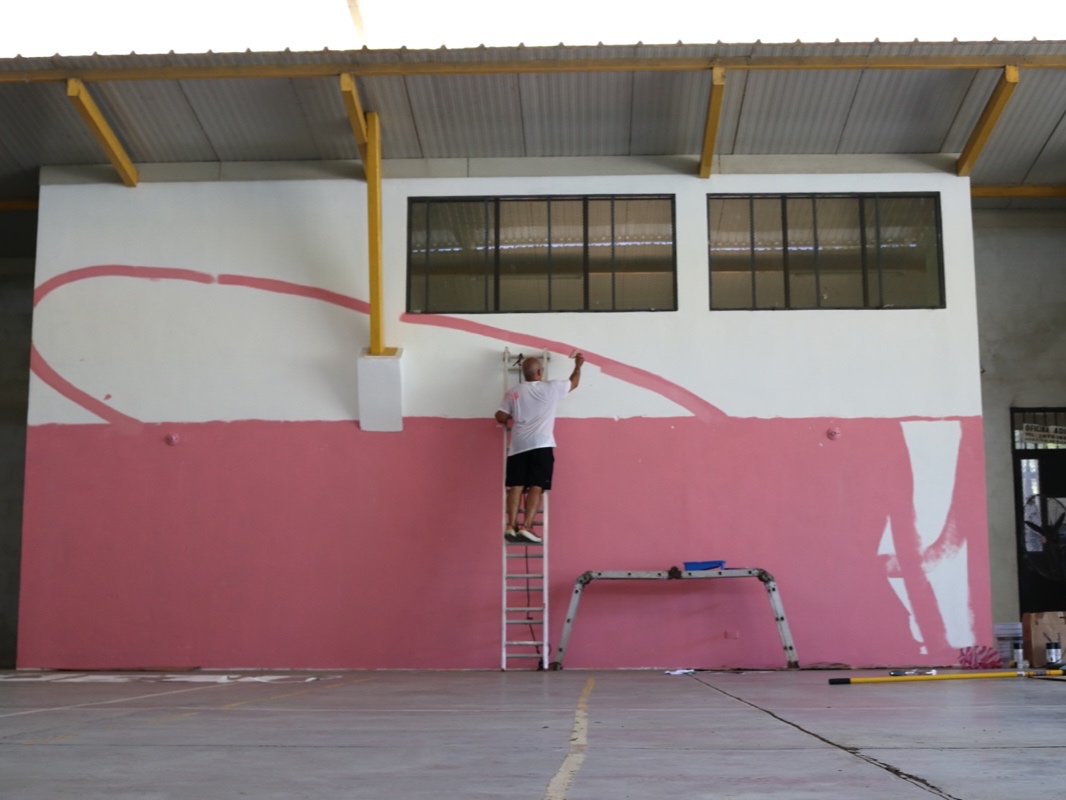
I recently completed a mural titled Hijos del Sol in the Caribbean for a children’s charity event and also participated in a group exhibition titled, Looking for Terry, at Richard Beavers Gallery. I currently have work included in an ongoing exhibition at The Baker Museum titled ‘There and Here: New Perspectives from the Permanent Collection’.
Additionally, New River Fine Art is releasing a series of linocuts, my first in over 40 years, in celebration of the gallery’s 40th anniversary (1986 – 2026). These works, titled ‘The Propaganda Series’, respond directly to the current political climate. Each piece is produced in editions of 20 per color and serves as a counter-response to the constant stream of political messaging we experience daily. There is currently a waiting list, and collectors can contact the gallery directly.
I’m also preparing for the release of my first book in eight years, titled COUNTERPOINT, which will be published in October. It will be the first publication in my career to include my own written commentary alongside the work.
Looking at your work over time, what do you think has changed the most in your practice?
My perspective is constantly evolving, and naturally, the work evolves with it. What hasn’t changed are its core principles: an ongoing commitment to activism, human concerns, and the visual deconstruction of traditional imagery into representations of conflict and inquiry. As long as colonial systems remain in place, the fight for those targeted by them continues.
— Reprinted from Prazzle Magazine
